- What is Social Media Affiliates?
- How does Social Media Affiliates Work?
- Benefits of Social Media Affiliate Programs
- Choosing the Right Social Media Platforms for Affiliate Marketing
- Promoting Affiliate Links on Various Social Media Platforms
- Summary
- Frequently Asked Questions
Are you a social media enthusiast, bloggers, content creators looking to turn your passion into profit? If so, you’re in the right place! In today’s digital age, content creators and bloggers have unlocked unprecedented opportunities for individuals to monetize their online presence. Whether you’re an influencer, content creator, or simply someone with a loyal following on social media, there are numerous avenues to explore. From affiliate marketing on Instagram and leveraging YouTube for commissions to utilizing social media platforms, the possibilities are endless. Join us as we delve into the dynamic world of social media affiliates, networks, and uncover strategies to optimize your earning potential.
What is Social Media Affiliates?
Definition of Social Media Affiliates
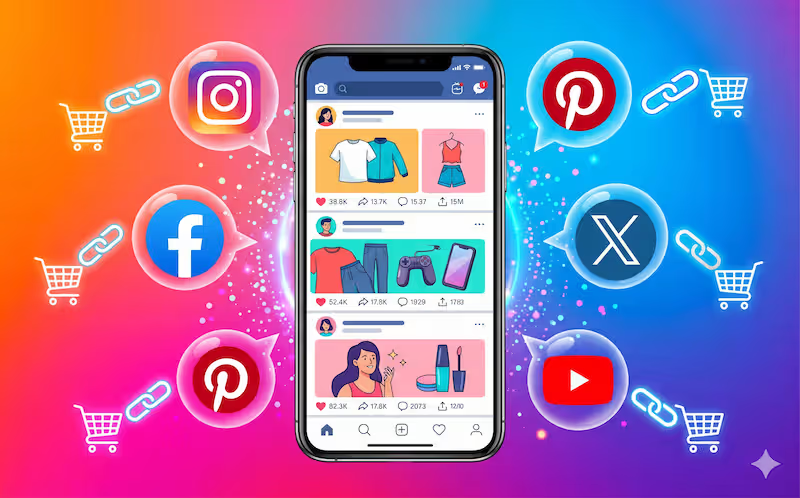
Social media affiliates, partners, content creators, and bloggers promote ecommerce products or services through their social media platforms in exchange for a commission on sales. This form of marketing leverages the power of social media, ecommerce, and bloggers to reach a wider audience and drive product awareness.
Social media affiliate marketing involves creating engaging content, such as posts, videos, or stories, to showcase the benefits and features of the promoted products. For instance, an influencer might partner with a clothing brand and post pictures wearing their outfits while providing a discount code for followers to use when making purchases.
This type of marketing is effective because it taps into the trust and influence that social media personalities, content creators, and bloggers have built with their customers and affiliate networks. When customers see someone they admire endorsing a product, they are more likely to consider purchasing it themselves.
Advantages and Disadvantages
Pros:
- Extensive reach: Social media affiliates can tap into large follower bases to promote products.
- Targeted advertising: They can tailor promotions based on demographics, interests, and social media affiliate programs.
- Cost-effective: Compared to traditional advertising methods, using influencers, content creators, and bloggers can be more affordable.
Cons:
- Some bloggers may question the authenticity of affiliate promotions.
- With many content creators promoting similar products on social media affiliate programs, competition is high.
- Limited control: Brands may have limited oversight over how partners and content creators represent their products.
How does Social Media Affiliates Work?
Understanding Affiliate Marketing
Affiliate marketing is a type of performance-based business where partners earn a commission for promoting hosting programs. In the context of social media, content creators or influencers can become social media affiliates by partnering with brands to promote their products on platforms like Instagram, YouTube, or TikTok. When followers, bloggers, or customers make a purchase through the affiliate’s unique link or code, the affiliate earns a percentage of the sale.
Affiliate marketing offers a win-win situation for both brands and affiliates. Content creators gain exposure to new audiences through the influencer’s followers, while affiliates receive compensation for driving sales. For example, if a content creator partners with a clothing brand and promotes their products on their Instagram page using swipe-up links in Stories or product tags in posts, they can earn commissions from any purchases made by their followers through those links.
Leveraging Social Media Platforms
Social media affiliates leverage various strategies to maximize their earnings. Creators create engaging content that seamlessly integrates product promotions into their social media posts without appearing too salesy. They utilize features like stories and live videos to showcase products in an authentic and relatable manner on social media affiliate programs.
Benefits of Social Media Affiliate Programs
Increased Revenue
Social media affiliate programs offer the potential to significantly increase revenue for individuals, businesses, creators, or content. By leveraging a large social media following, affiliates can promote products and services to a wide audience. This can result in higher sales and commissions through affiliate programs, leading to a substantial boost in earnings.
Affiliates often earn commission on each sale generated through their unique affiliate link. For example, if an affiliate promotes a clothing brand on Instagram and their followers make purchases using the provided link on the website, the affiliate receives a percentage of the sales as commission. This direct correlation between promotion, content, and profit motivates affiliates to actively engage with their audience and drive conversions.
Expanded Reach
One of the key benefits of participating in social media affiliate programs is the ability to expand reach and access new audiences. Affiliates can tap into diverse social media platforms such as Instagram, Facebook, Twitter, YouTube, Pinterest, and more to connect with users who may not have been exposed to certain products or brands before.
Choosing the Right Social Media Platforms for Affiliate Marketing
Consider Your Target Audience
When selecting social media platforms for affiliate marketing, it’s crucial to consider your target audience and content. For instance, if you’re targeting professionals and B2B clients on social media, LinkedIn might be more effective. On the other hand, if your audience is younger and more visually oriented, Instagram or TikTok could be better options.
Understanding where your potential customers spend their time online, such as social media, can help you focus on the right platforms. For example, if you run a lifestyle blog with a predominantly female audience interested in fashion and beauty products, Pinterest might be an ideal platform due to its visual nature and strong female user base.
Analyze Platform Features
Different social media platforms offer various features that can impact the success of your affiliate marketing efforts by providing diverse content. For instance, Instagram provides shoppable posts that allow users to make purchases directly from the app. If your strategy revolves around showcasing products through visually appealing content, this feature could significantly enhance conversion rates.
Moreover, Facebook offers robust ad targeting capabilities that enable precise segmentation based on demographics, interests, and content. This level of specificity ensures that your affiliate promotions reach relevant audiences most likely to convert into customers.
- Consider Your Target Audience
- Understand where potential customers spend time online.
- Example: Lifestyle blog focusing on women’s fashion may benefit from using Pinterest.
- Analyze Platform Features
- Different platforms offer unique features impacting affiliate marketing success.
- Example: Instagram’s shoppable posts enhance product visibility and conversions.
Promoting Affiliate Links on Various Social Media Platforms
Understanding Your Audience
To effectively promote social media affiliates, it’s crucial to understand your audience and create relevant content. Different platforms, affiliate, and content attract different demographics, so knowing who you are targeting is key. For example, if your target audience consists of young adults interested in fashion and lifestyle, Instagram might be the ideal platform due to its visual nature and popularity among this demographic.
Understanding your audience also involves comprehending their needs and preferences. By doing so, you can tailor your content and affiliate links to resonate with them effectively. If your followers value authenticity and personal recommendations, incorporating genuine product reviews or testimonials into your posts could significantly boost engagement.
Creating Engaging Content
Creating engaging content is essential for promoting social media affiliates successfully. Whether it’s a captivating photo on Instagram or an informative video on YouTube, quality content is more likely to capture attention and encourage click-throughs than generic posts.
Utilize the unique features of each platform, including affiliate, to create diverse types of content that align with their strengths. For instance, leveraging Instagram Stories’ interactive features like polls or quizzes can make promoting affiliate links more interactive and dynamic. Crafting compelling content that highlights the benefits of the products or services being promoted can enhance the appeal of affiliate links within the post.
Summary
You now have a solid understanding of social media affiliate programs, how they function, and the benefits they offer. Choosing the right platforms for your affiliate marketing efforts is crucial, as is effectively promoting your affiliate links on these platforms. With this knowledge in hand, you’re well-equipped to dive into the world of social media affiliates and make the most of this lucrative opportunity.
So, go ahead and put your newfound knowledge into action! Start exploring different social media platforms, analyzing their suitability for your affiliate marketing goals, and crafting compelling content to promote your affiliate links. Remember, success in social media affiliate programs doesn’t happen overnight, but with dedication and strategic effort, you can harness the power of social media to boost your affiliate earnings. Good luck on your affiliate marketing journey!
Frequently Asked Questions
What Social Media is Best for Affiliate Marketing?
The best social media platforms for affiliate marketing are those with a large user base and strong engagement, such as Instagram, Facebook, and YouTube. These platforms allow you to reach a wide audience and promote products effectively through affiliate marketing.
Who can benefit from affiliate marketing?
Anyone with an online presence, including bloggers, influencers, and website owners, can benefit from affiliate marketing. It’s an excellent way to monetize your platform by promoting affiliate products or services that align with your audience’s interests.
How successful is affiliate marketing?
The success of affiliate marketing varies depending on factors like niche selection, product relevance to the audience, and promotional strategies. With dedication and strategic planning, many individuals have achieved substantial passive income through successful affiliate marketing campaigns.
How does Social Media Affiliates Work?
Social media affiliates work by promoting products or services through their social media channels using unique tracking links. When their followers make a purchase through these links, the affiliates earn a commission from the sale.
What are the Benefits of Social Media Affiliate Programs?
Social media affiliate programs offer benefits such as flexibility in promotion methods, passive income potential, minimal startup costs for affiliates, and opportunities to collaborate with brands aligned with your niche or interests.


